The Complete Guide to Bamboo Flooring Maintenance: Cleaning Tips and Care Essentials

The Complete Guide to Bamboo Flooring Maintenance

You've recently installed bamboo flooring that complements your furniture, walls, and overall interior design perfectly. Beyond its aesthetic appeal, you're satisfied knowing bamboo's durability exceeds typical hardwoods like maple and oak. Now you're wondering how to maintain this investment to continuously enjoy its benefits. While cleaning bamboo flooring is relatively straightforward, proper maintenance involves more than basic sweeping and mopping. Understanding comprehensive care techniques keeps your bamboo looking its best for decades.

Bamboo Flooring Type Matters for Maintenance
Essential Tools for Bamboo Floor Maintenance
Safe Cleaning Products for Bamboo Floors
Step-by-Step Cleaning of Bamboo Floors
Avoid Mistakes in Bamboo Floor Maintenance
Cleaning Frequency for Bamboo Floors
Long-Term Maintenance for Preserving Bamboo Floors
House of Bamboo Support for Maintenance Needs

Why Does Bamboo Flooring Type Matter for Maintenance?

Before starting any cleaning regimen, identifying your specific bamboo flooring type proves essential. Different constructions, strands, and finishes require tailored cleaning approaches that optimize results while preventing damage.

Understanding Bamboo Flooring Types

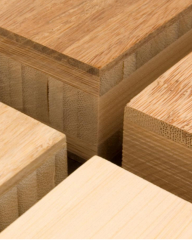
Five main bamboo flooring types exist: horizontal, vertical, strand woven, click-fitting, and tongue-and-groove bamboo. Each possesses distinct characteristics affecting maintenance requirements and cleaning approaches.

Horizontal and vertical strand bamboo are softer constructions that dent more easily. These types demand gentler cleaning approaches that avoid excessive pressure or abrasive tools.

Strand woven bamboo offers significantly greater durability and versatility than horizontal or vertical options. This construction withstands more aggressive cleaning while maintaining appearance and structural integrity longer.

Understanding Bamboo Flooring Types

Researching Your Specific Flooring

Understanding your flooring's specific construction, strand type, and finish guides appropriate tool and method selection. Manufacturers typically provide documentation detailing these specifications and recommended maintenance approaches.

If original documentation isn't available, contact House of Bamboo's design consultants who can help identify flooring characteristics based on appearance and installation date. This expertise ensures cleaning approaches match material specifications.

What Essential Tools Do You Need for Bamboo Floor Maintenance?

Proper bamboo flooring maintenance requires investing in appropriate cleaning tools. Quality equipment makes maintenance easier while protecting your flooring investment from damage that inferior tools might cause.

Floor Protection Products

The foundation of proper bamboo flooring maintenance is prevention through consistent protection. All furniture legs—from smallest stools to grandest pianos—require protective covering to prevent finish damage.

Rubber cups, felt pads, mesh rubber shelf liner, or coasters protect bamboo floors from appearing faded and worn, especially when furniture moves during cleaning. These simple products prevent denting, gouging, and scratching that compromise appearance and reduce lifespan.

Quality floor protection represents small investment that prevents expensive refinishing or replacement. Consider it insurance for your bamboo flooring that pays dividends through extended beauty and performance.

Appropriate Broom Selection

For small area cleaning, traditional bristle brooms adequately remove dust and dirt. However, thorough cleaning benefits from microfiber dust mops designed with flexible heads that successfully lift dust, grime, and hair stuck on bamboo flooring.

Microfiber proves far more effective than ordinary brooms that tend to push dirt rather than capture it. The material's structure traps particles rather than redistributing them, creating genuinely clean surfaces.

Soft bristles or microfiber prevent scratching bamboo's finish. Avoid stiff, coarse bristles that might abrade surfaces, particularly on softer horizontal or vertical bamboo constructions.

High-Quality Vacuum Cleaners

The fastest, most effective cleaning method involves investing in high-quality vacuums with sufficient suction power. Simply turn on the machine and let it remove dirt, grit, and sand from bamboo flooring efficiently.

For pet owners, seek vacuum models specifically designed to capture small pet hairs. These specialized machines include features addressing pet-related cleaning challenges that standard vacuums handle less effectively.

Check vacuum wheels regularly for lodged dirt, gravel, or sand. These particles scratch floor finishes when trapped in wheels, negating the cleaning benefit vacuums provide.

Proper Mop Selection

Skip typical string mops and invest in microfiber versions instead. These mops feature flat heads covering large surface areas while removing dampness from bamboo floors in single swipes.

Look for mops with sturdy handles allowing comfortable grip during extended cleaning sessions. Adjustable handle lengths accommodate different user heights, reducing strain during floor maintenance.

Quality microfiber mops cost more initially but last longer and perform better than cheaper alternatives. Consider them essential tools rather than optional conveniences.

What Cleaning Products Are Safe for Bamboo Floors?

Tool selection matters, but cleaning products used with those tools prove equally important. Understanding which cleaners protect rather than damage bamboo helps maintain floors properly.

Understanding pH-Neutral Formulations

Generally, hardwood cleaners work safely on bamboo flooring. However, many products prove too acidic or alkaline, potentially harming floor finishes over time.

Read packaging carefully to verify pH-neutral ingredients. These formulations clean effectively without compromising finish integrity or causing discoloration that acidic or alkaline cleaners might create.

House of Bamboo offers 100% environmentally friendly bamboo cleaners that effectively remove dirt, grease, and various stains. These specialized formulations consider bamboo's unique properties, delivering cleaning power without harsh chemicals.

Proper Dilution Practices

Dilute concentrated bamboo floor cleaners with distilled water according to manufacturer instructions. This reduces staining or warping risks while maintaining cleaning effectiveness.

Using undiluted concentrated cleaners can leave residue that dulls finish or creates sticky surfaces attracting more dirt. Proper dilution prevents these problems while extending cleaner supply.

For small surface spot-cleaning, use only water spritz. Reserve bamboo floor cleaners for disinfecting and deep cleaning purposes where their stronger formulations prove necessary.

How Do You Clean Bamboo Floors Step-by-Step?

Once you've assembled appropriate tools and products, follow systematic cleaning processes that maintain bamboo's sheen and color while preventing damage.

Step 1: Install Floor Protection

Before cleaning, verify that floor protection exists on all furniture. This prevents scratches and damage during deep cleaning while making bulky items easier to slide.

In cramped spaces filled with furniture, move everything to one side, clean the empty floor space, then repeat until the entire floor area receives attention. This systematic approach ensures thorough cleaning without overwhelming the process.

Quality floor protection makes furniture movement easier and safer. The modest investment prevents damage costing far more to repair than protection costs initially.

Step 2: Remove Loose Dirt and Debris

With floor protection secured, sweep away dirt and particulates using soft-bristled brooms, dust mops, or vacuums. Follow bamboo's grain pattern for most effective cleaning that captures rather than redistributes dirt.

Thoroughly clean plank joints where stubborn dirt hides. These crevices accumulate particles that basic sweeping misses, requiring focused attention during each cleaning session.

Regular debris removal prevents particles from scratching floors as people walk across them. Daily sweeping in high-traffic areas like living rooms, kitchens, and hallways protects bamboo from accumulated wear.

Step 3: Address Dried Spills and Stains

After sweeping or vacuuming, identify areas with dried spills or stains requiring special attention. Clean these immediately with lightly dampened sponges or microfiber towels.

If damp cloths prove insufficient, add small amounts of approved bamboo cleaning solution. Gently rub affected areas to remove stains without excessive pressure that might damage finishes.

After stain removal, dampen clean cloths with water and wipe away cleaning solution residue. This prevents solution buildup that might dull finishes or create sticky surfaces.

Step 4: Mop the Entire Floor

Once floors are clear of dirt, grime, and stains, begin mopping. Wet mops using bamboo cleaning solutions, then wring until barely damp before applying to floors.

Mop in gentle, straight patterns following bamboo's texture. This approach prevents streaking while ensuring even cleaning coverage across all floor areas.

After mopping, wipe floors dry with clean, soft towels. This crucial step prevents water staining and ensures bamboo dries properly without moisture penetrating between planks.

Step 5: Implement Regular Spot Cleaning

While deep cleaning ensures optimal appearance, regular spot cleaning between thorough sessions maintains floors more efficiently. Quick attention to spills prevents staining that requires intensive cleaning later.

Sweep high-traffic areas daily to prevent dirt buildup causing minor scratches. This preventative approach proves easier than addressing accumulated damage requiring professional intervention.

Consider applying cleaning oils like WOCA Oil to enhance bamboo's color, grain, and durability. This water-based oil, mainly used for outdoor bamboo decking, forms strong water and dirt-repellent surfaces protecting floors from particulates.

Implement Regular Spot Cleaning

What Should You Avoid When Maintaining Bamboo Floors?

Understanding proper techniques matters, but knowing what to avoid proves equally important. Common mistakes cause irreparable damage requiring expensive repairs or complete floor replacement.

Abrasive Cleaning Tools

Bamboo's durability exceeds hardwood in many respects, yet it remains susceptible to scratching like ordinary wooden floors. Avoid cleaning tools with rough or abrasive brushes that compromise finish integrity.

Replace scrubbing sponges with soft cloths for bamboo floor cleaning. Apply this same principle when selecting brooms, mops, and vacuums—prioritize soft materials over aggressive scrubbing capabilities.

Abrasive tools may seem more effective initially but cause cumulative damage that becomes apparent over time. Prevention through appropriate tool selection costs less than repairing scratched floors.

Heavyweight Vacuums and Harsh Attachments

Heavy vacuums cause dents and wheel tracks on bamboo floors over time. Weight concentrated on small contact points creates pressure exceeding bamboo's compression resistance, particularly with softer horizontal or vertical constructions.

Avoid mops with beater bars that damage floors rather than clean them. These aggressive attachments work for carpets but prove inappropriate for bamboo's smooth surfaces.

Purchase lightweight vacuums that lift easily with removable or absent beater bars. This equipment cleans effectively without the weight and attachment problems that damage floors.

Wax and Oil Soap Products

Never use wax or oil soap on bamboo floors. Wax provides no benefit to bamboo while making floors appear dirtier rather than cleaner through residue buildup.

Oil soap products strip away protective layers on bamboo planks, permanently weakening floors and increasing vulnerability to moisture and wear. This damage proves irreversible without professional refinishing.

For safe alternatives, use pH-balanced cleaning products specifically formulated for bamboo. These cleaners maintain floor attractiveness without compromising protective finishes.

Excessive Water or Cleaning Solution

Avoid mopping with completely soaked mops that cause distortion, staining, and warping. Before mopping, wring mops thoroughly to prevent excess water or cleaner dripping onto floors.

Bamboo tolerates moisture better than many woods but remains vulnerable to water damage with prolonged exposure. Proper wringing prevents the excessive moisture that causes problems.

This principle applies equally to cleaning solutions. Excessive product creates residue requiring additional rinsing while potentially affecting finish appearance and durability.

Steam Mops

Never use steam mops on bamboo flooring. Heat pushes moisture deep into bamboo planks, causing irreparable water damage faster than forgotten spills.

Steam seems appealing for sanitization but proves incompatible with bamboo's moisture sensitivity. The heat and moisture combination overwhelms bamboo's natural resistance, creating warping and structural damage.

Use traditional string mops or preferably microfiber flathead mops instead. These tools clean effectively without the moisture penetration risks that steam mops present.

How Often Should You Clean Bamboo Floors?

Establishing appropriate cleaning frequency balances maintenance effectiveness against time investment. Understanding recommended schedules helps maintain floors without excessive effort.

Daily Maintenance for High-Traffic Areas

Living rooms, kitchens, and hallways require daily sweeping or vacuuming. These high-traffic zones accumulate dirt quickly, and particles cause scratching as people walk across them.

Quick daily attention prevents buildup requiring intensive cleaning later. Five minutes daily proves easier than hour-long sessions addressing accumulated neglect.

This preventative approach also maintains appearance between deep cleaning sessions. Floors look consistently good rather than cycling between freshly cleaned and visibly dirty conditions.

Weekly Deep Cleaning

Most homes benefit from weekly deep cleaning including mopping with appropriate cleaning solutions. This frequency removes grime that sweeping alone cannot address while preventing buildup requiring professional intervention.

Adjust frequency based on household activity levels and environmental conditions. Homes with pets or children may require more frequent mopping, while adult-only households might extend intervals slightly.

Consistency matters more than perfection. Regular weekly cleaning, even if occasionally delayed, maintains floors far better than sporadic intensive sessions separated by long neglect periods.

Seasonal Considerations

Environmental conditions affect cleaning frequency needs. Winter tracking brings more outdoor debris inside, requiring increased attention to entry areas and frequently traveled paths.

Humid summer months may require additional attention to moisture management. While routine cleaning continues, awareness of humidity effects helps address potential problems before they cause damage.

Adjust cleaning schedules seasonally based on observed needs rather than rigid predetermined frequency. This flexibility ensures maintenance matches actual conditions rather than arbitrary schedules.

What Long-Term Maintenance Preserves Bamboo Floors?

Beyond routine cleaning, long-term maintenance practices preserve bamboo flooring's beauty and structural integrity for decades rather than years.

Refinishing When Needed

Over time, bamboo floors may become discolored, dented, or scratched. Refinishing restores surfaces to like-new condition, extending lifespan significantly beyond what replacement intervals suggest.

Professional refinishing removes damaged surface layers while preserving underlying structure. This proves far more economical than complete floor replacement while delivering comparable aesthetic results.

Consider refinishing when damage becomes widespread rather than waiting until floors appear beyond repair. Proactive refinishing maintains appearance and prevents structural problems developing from surface damage.

Protective Treatments

Applying protective oils or treatments enhances bamboo's natural resistance to water and dirt. Products like WOCA Oil create barriers repelling moisture and particulates that cause damage over time.

These treatments require periodic reapplication based on wear patterns and product specifications. High-traffic areas may need more frequent treatment than spaces receiving lighter use.

Consider professional treatment application for best results. While DIY application works, professional expertise ensures even coverage and appropriate product selection for specific bamboo types.

Environmental Controls

Maintain consistent indoor humidity levels between 40% and 60%. Excessive dryness causes bamboo planks to shrink while high humidity creates swelling. Either extreme can cause cracking and splitting.

Use humidifiers or dehumidifiers as needed to maintain appropriate levels. This environmental control protects bamboo investment while creating more comfortable living conditions for occupants.

Monitor humidity regularly using inexpensive hygrometers. This awareness allows proactive adjustment before conditions reach levels causing bamboo damage.

How Can House of Bamboo Support Your Maintenance Needs?

Professional guidance and quality products make bamboo flooring maintenance more effective and less stressful. House of Bamboo provides resources ensuring your floors remain beautiful throughout their service lives.

Specialized Cleaning Products

House of Bamboo offers environmentally friendly bamboo cleaners formulated specifically for bamboo's unique properties. These products clean effectively without harsh chemicals that might damage finishes or affect indoor air quality.

Using products designed for bamboo rather than generic hardwood cleaners ensures compatibility with your specific flooring. This targeted approach prevents problems while optimizing cleaning effectiveness.

Order samples or products directly to experience quality differences compared to generic alternatives. The performance improvement justifies modest cost differences through better results and extended floor life.

Expert Consultation

Design consultants bring decades of experience addressing bamboo flooring questions and challenges. This expertise helps troubleshoot problems, recommend appropriate products, and guide maintenance approaches for specific situations.

Contact consultants when facing unusual challenges or considering major maintenance decisions like refinishing. Professional guidance prevents costly mistakes while ensuring optimal outcomes.

This support continues long after initial flooring installation. Ongoing relationships with knowledgeable specialists provide confidence that help exists when needed.

Educational Resources

Access comprehensive information about bamboo flooring care through House of Bamboo's resources. These materials complement manufacturer instructions, providing detailed guidance for common situations and challenges.

Educational content empowers homeowners to maintain floors confidently without constant professional intervention. This knowledge prevents problems while building competence that makes maintenance easier over time.

Maintaining bamboo floors requires effort and attention but delivers returns through decades of beautiful, durable flooring. The process becomes routine with experience, transforming from challenging task to simple habit. Your bamboo flooring investment deserves proper care—the techniques outlined here ensure you enjoy its benefits for years to come. For specialized cleaning products and expert guidance, explore House of Bamboo's resources or contact design consultants who understand bamboo's unique maintenance requirements.

Image 1
Image 2
Image 3
Image 4
Image 5

Would you like to find out which product will meet your expectations?