Where Performance Meets Beauty & Sustainability

Nature's Fastest,
Design's Smartest

See what we create with passion, awareness, and commitment.

Why Bamboo Matters

A Renewable Resource
Like No Other

Bamboo is one of the world’s fastest-renewing resources, reaching maturity in just 3 to 5 years compared to hardwoods that take decades. By choosing bamboo, you embrace a material that perfectly balances performance, beauty, and responsibility.

Maturity in 3–5 years and ready for harvest every year

Up to 35% more CO₂ absorption than trees

Fights soil erosion and restores biodiversity

Resistant to termites and naturally antimicrobial

Bamboo rapidly absorbs and stores atmospheric carbon

Extensive clumping root systems boost soil moisture and reduce runoff

Bamboo thrives with minimal water and no fertilizers, making it a regenerative resource

Its roots naturally filter water and absorb pollutants
Person

At House of Bamboo, we see each project as a step toward a healthier future. Bamboo's rapid growth and strength make it a sustainable choice. Its regeneration and carbon absorption support a thriving future. By embracing bamboo, you support a resilient industry in Australia, promising innovation and environmental stewardship.

Proof & Certification

Independent Verification You Can Trust

Global Green Tag

Global GreenTag provides trusted, third-party verification worldwide, ensuring that House ofBamboo’s products adhere to rigorous sustainability and environmental standards, underpinning their Platinum Health and A‑Grade credentials.

Consultative approach

Declare brings together the collective experience, reach, and resources of its members to inspire meaningful climate action - driving low-carbon, waste-conscious manufacturing, championing a circular economy, sharing knowledge, and reshaping the industry toward a more sustainable and accountable future.

Certified Forest Stewardship

Our FSC certification ensures House of Bamboo sources bamboo responsibly, preserving biodiversity, protecting the rights of communities and workers, managing risks like illegal logging, and demonstrating a verified commitment to sustainable forest management with environmental, social, and economic benefits.

Life-Cycle Certified

House of Bamboo’s engineered bamboo ranges are supported by internationally recognised Environmental Product Declarations (EPDs), providing independently verified, standardised data on their full life-cycle environmental impact, including carbon footprint, to help you make credible, sustainable material choices.

Proven Bamboo Performance

Deakin University independently tested House of Bamboo’s engineered laminated bamboo beams, confirming compressive strengths of 50–65 MPa, demonstrating the material’s consistent and reliable performance.

LEED Credit Contributor

Our engineered bamboo ranges are documented with a Green Product Card that contributes to points toward LEED v4 certification in the Material & Resources, Indoor Environmental Quality, Innovation, and Pilot Credits categories.

BREEAM Credit Contributor

Our engingeered bamboo ranges are supported by a Green Product Card, provides documentation that can help projects achieve points toward BREEAM certification in the Health and Wellbeing, Materials and Innovation credit categories.

Certificates: 1 / 7
Choose responsibly

Choose Materials That Care for the Future

Feature/ImpactBamboo (structural Engineered Bamboo)Hardwood Timber (Engineered)ConcreteSteel (Hot-Rolled Structural Steel)Aluminum (extrusions)
DescriptionEngineered bamboo made by laminating strips with adhesive into straight or curved structural profiles for beams, panels, cladding, ceilings, and furniture.Engineered wood products made by laminating sawn lumber or veneers into structural elements such as beams, panels, and framing components.Cement-based composite material primarily used in compression-driven structural systems including slabs, columns, foundations, and walls.Hot-rolled structural steel used forbeams, columns, and primary framing systems in buildings.Extruded aluminum products commonly used in facade systems, window framing, and enclosure components.
Embodied Carbon* GWP fossil (A1–A3) (kgCO2e/m3)810 kgCO2e/m3. Emissions driven mainly by processing and adhesive use rather than raw material extraction.Glulam 137, CLT 134, LVL 361 kg CO2e/m3. Emissions primarily from harvesting, drying, and milling.250–400 kgCO2e/m3 for normal-strength concrete. Emissions dominated by cement production and calcination.1,700–2,500 kgCO2e/m3 for typical BF–BOF hot-rolled steel. Emissions driven by iron ore reduction and energy use.21,600–32,400 kgCO2e/m3. High-recycled-content: ~2,700–8,100 kgCO2e/m3. Emissions driven by smelting energy.
Biogenic Carbon* Storage GWP Bio (Biogenic Carbon Storage) (kgCO2e/m3)1,600 kgCO2e/m3 stored through rapid biomass growth and retained in the product during its service life.650–1,100 kgCO2e/m3 stored from carbon absorbed during tree growth and retained in wood products.---
Biodiversity & Ecosystem ImpactRapid regeneration and permanent root systems can support biodiversity when well managed. Short harvest cycles reduce land pressure, though outcomes depend on plantation practices.Can support ecosystems if responsibly managed, but long regrowth cycles mean poor forestry or monocultures can drive biodiversity loss without certification.Relies on extractive processes for aggregates and raw materials, causing habitat loss and landscape disturbance with no regenerative component.Impacts largely stem from iron ore and coal mining. High recycled content significantly reduces demand for virgin extraction and associated land disturbance.Primary production causes major land disturbance from bauxite mining. Impacts are greatly reduced when aluminum is produced with high recycled content.
Circularity & End of LifeCan be reused or cascaded into lower-grade applications, with potential for energy recovery. Reuse and long-life applications maximize biogenic carbon storage benefits.Can be reused or repurposed where feasible, with cascading into secondary products or energy recovery at end of life. Long service life supports extended biogenic carbon storage benefits.Limited reuse potential. Most end-of-life concrete is crushed and downcycled as aggregate, which reduces waste but does not replace cement or retain original structural function.Highly recyclable with established recovery infrastructure. Reuse and recycling are common end-of-life pathways, though recycling requires energy input and benefits depend on recycled content.Highly recyclable with strong material value retention. Recycling uses significantly less energy than primary production and is the dominant end-of-life pathway when designed for recovery.

* Embodied Carbon is reported as Global Warming Potential (GWP), measured in kgCO₂e, across life cycle stages A1–A3. For bio-based materials such as bamboo and timber, this includes both fossil emissions from manufacturing and biogenic carbon stored during biomass growth.

* Biogenic Carbon Storage refers to the carbon absorbed from the atmosphere during plant growth and retained in the material for the duration of its service life.

Jennifer Snyders, CEO & Bamboo Expert
Jennifer Snyders, CEO & Bamboo Expert

Bamboo is more than a material; it's a philosophy of renewal. Each culm grows back stronger, showing that design can be beautiful and responsible. We partner with the Bamboo Society of Australia to build a thriving bamboo industry, creating sustainable jobs and supporting agriculture. Sustainability is the foundation of our work for a vibrant future.

How we make it

Our Sustainable Workflow

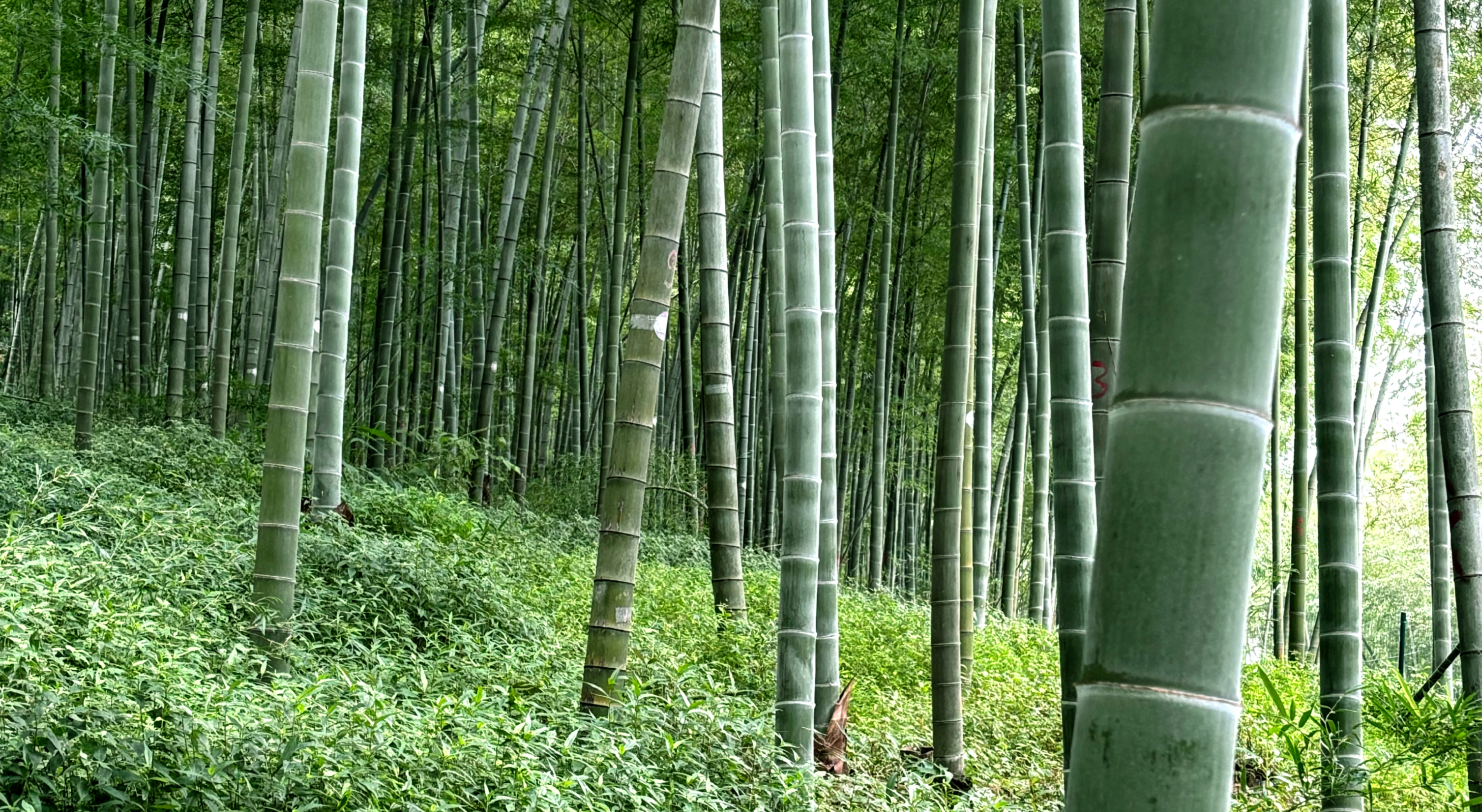
Responsible Growth

01

Responsible Growth

Bamboo grows to maturity in just 3–5 years, regenerating naturally without replanting and capturing more carbon than most trees.
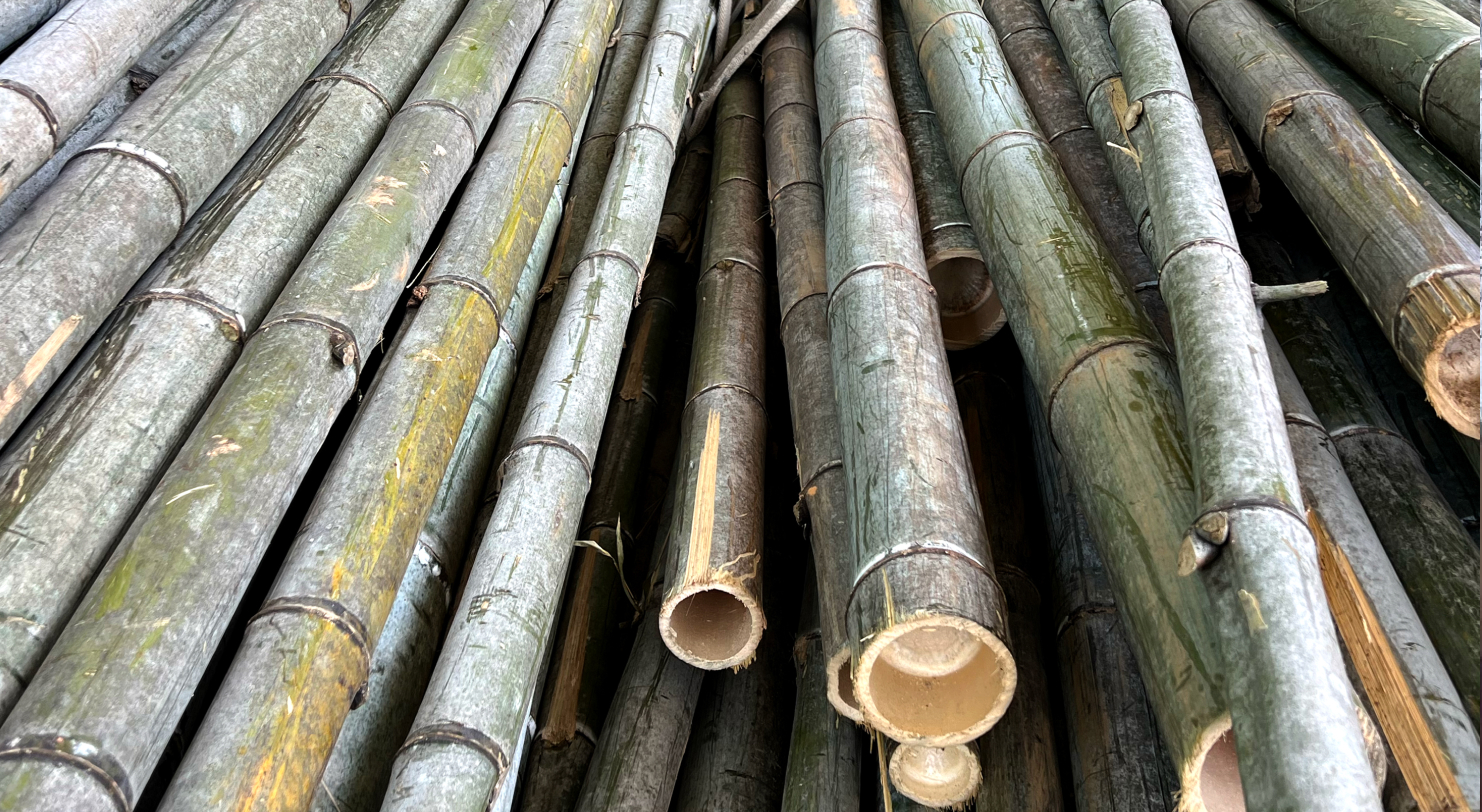
Selection Harvest

02

Selection Harvest

The Bamboo is carefully harvested at maturity, selecting only culms at the right age to ensure optimal strength, durability, and long-term performance.
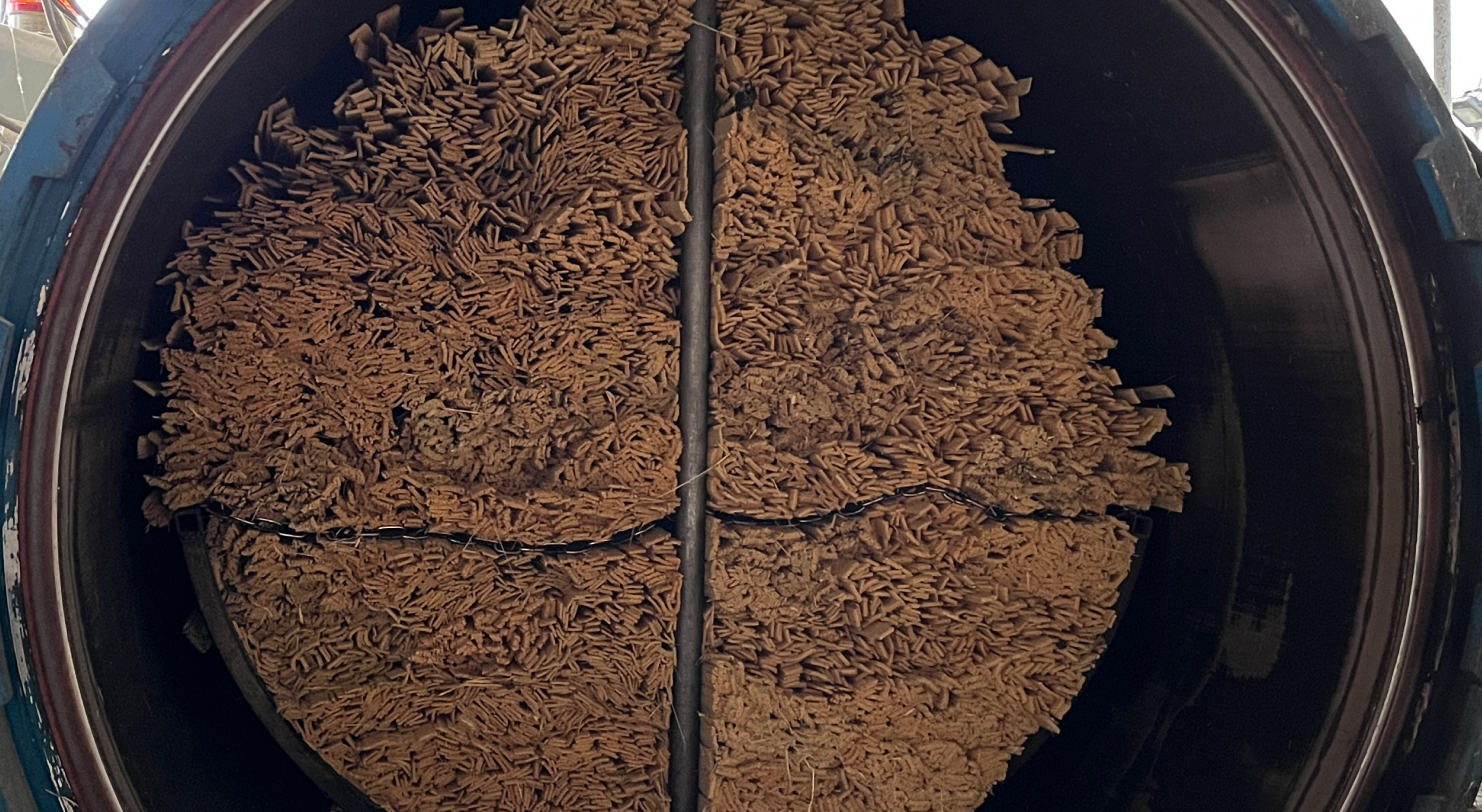
Treatment

03

Treatment

Each bamboo product is developed through years of testing and refinement, only using low-impact treatments to ensure durability while protecting the environment.
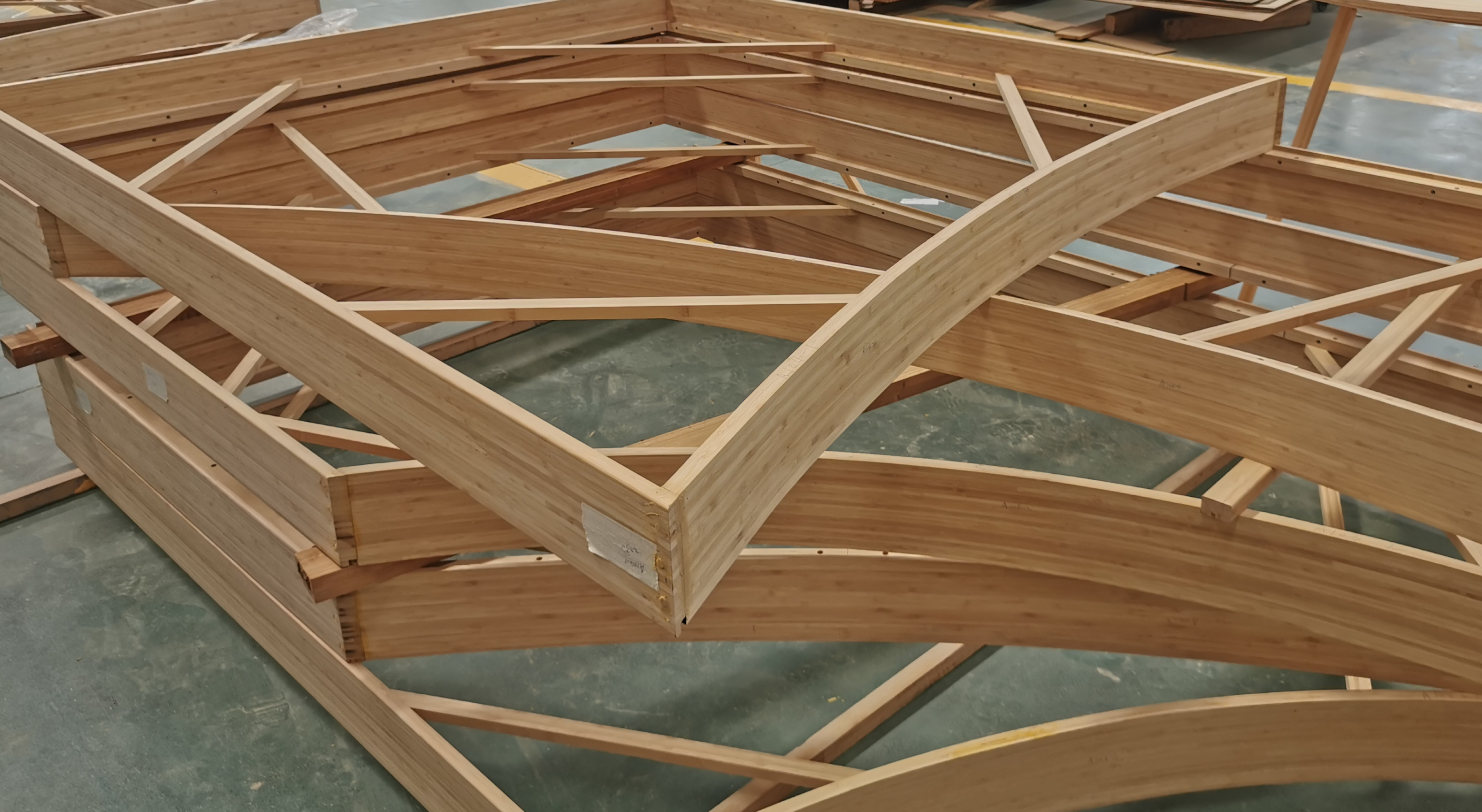
Design & Production

04

Design & Production

Raw bamboo is transformed into panels, beams, and decorative solutions through energy-efficient processes with minimal waste.
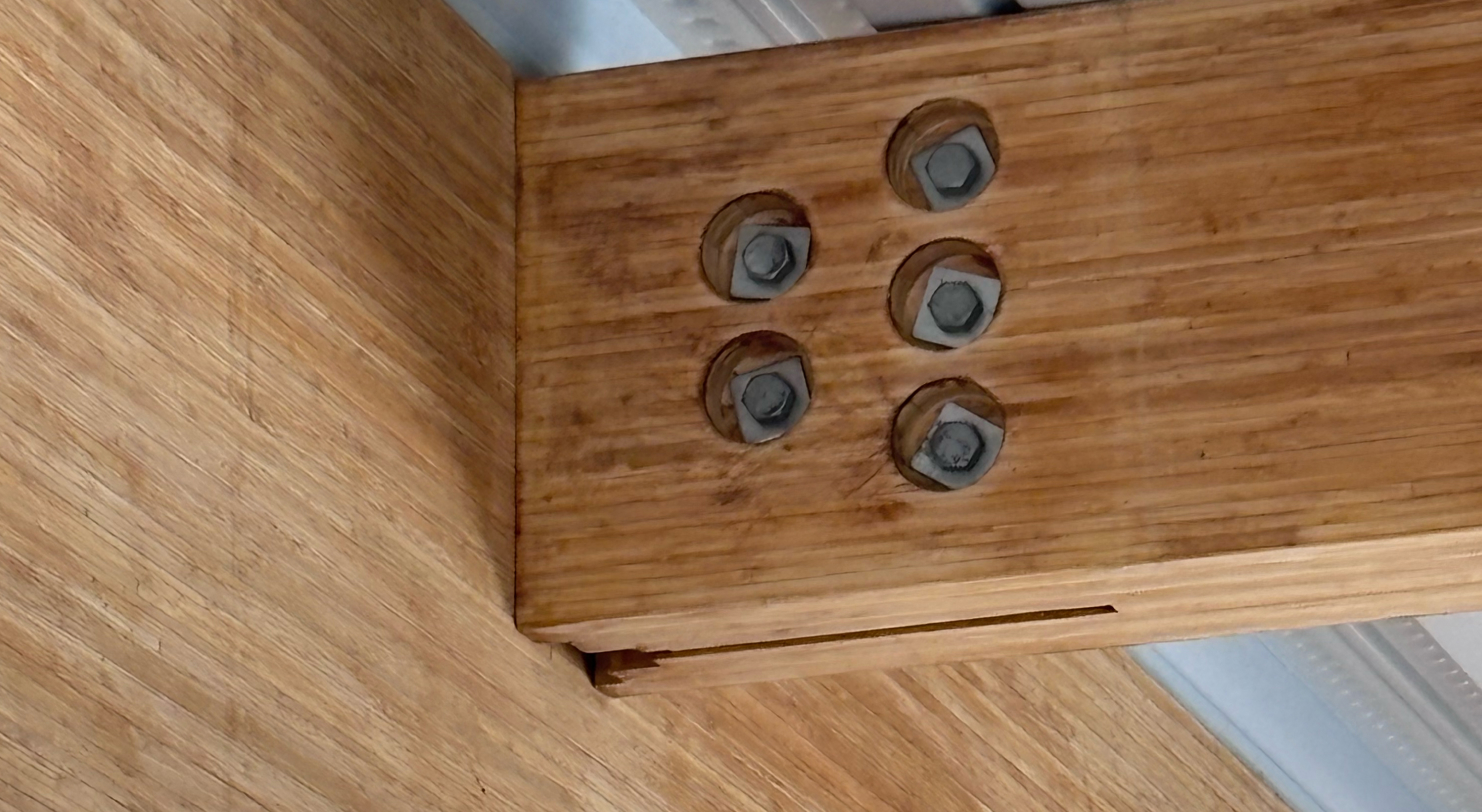
Long Life & Circular Future

05

Long Life & Circular Future

Our products are designed to last and to be regenerative closing the loop on a true circular econony to be repurposed or recycled, finding new life in new architectural projects or other applications.


Stories: 1 / 5
Image 1
Image 2
Image 3
Image 4

Discover products designed
to outperform every expectation